

Children’s Airway & Breathing
Is your child's breathing getting in the way of sleep, growth, or focus?
Snoring, mouth breathing, restless nights, and trouble concentrating often have a structural cause that begins in the mouth and jaws. Chenin Orthodontic Group has more than 20 years of experience evaluating and managing children's airways.
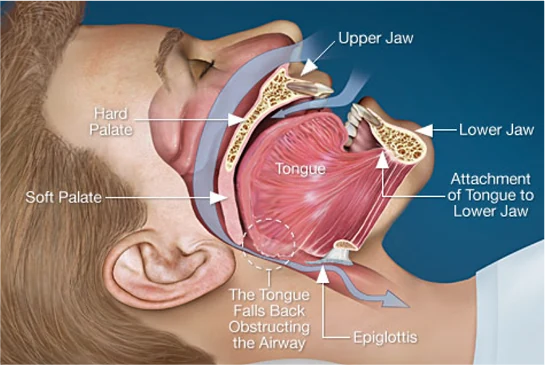
Why our orthodontists look at breathing
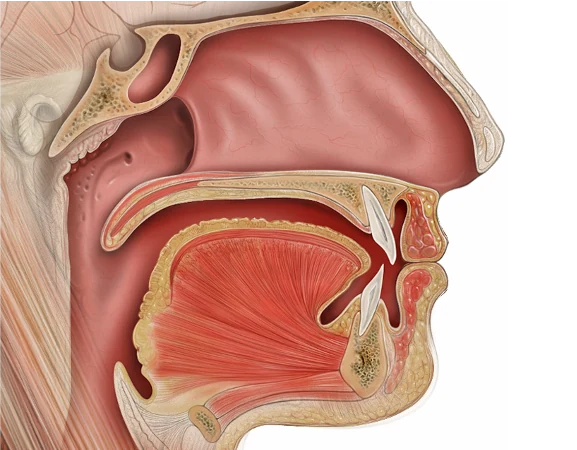
The shape of your child's jaws, palate, and face affects how much room the tongue has and how easily air moves through the nose and throat, especially during sleep.
When the jaws are narrow, the tongue is tied, or the tonsils are enlarged, growth can head in an unhealthy direction and breathing can suffer. That can show up as poor sleep, daytime fatigue, and behavior that looks like inattention.
Because jaw and facial growth is guided most easily while a child is still growing, early evaluation gives your family the most options. We recommend an orthodontic airway evaluation starting around age 7.
Signs your child may have an airway concern
None of these prove there is a problem on their own, but several together are worth a conversation.
- Snoring, noisy breathing, or pauses in breathing at night
- Breathing through the mouth, day or night
- Crowded teeth, a narrow palate, or baby teeth that touch
- Dark circles under the eyes
- Forward head posture
- Teeth grinding or worn, flattened teeth
- Frequent ear or throat infections
- Daytime tiredness, hyperactivity, or trouble focusing
- Bedwetting beyond age 5
- Long-term pacifier use or mostly bottle feeding as an infant
- Tongue-tie or speech concerns
- Frequent cavities
Experience you can rely on
Airway care is not a side service here. Our doctors have evaluated and managed airways for more than 20 years, more than any other orthodontic practice in Nevada.
Helped develop the tool
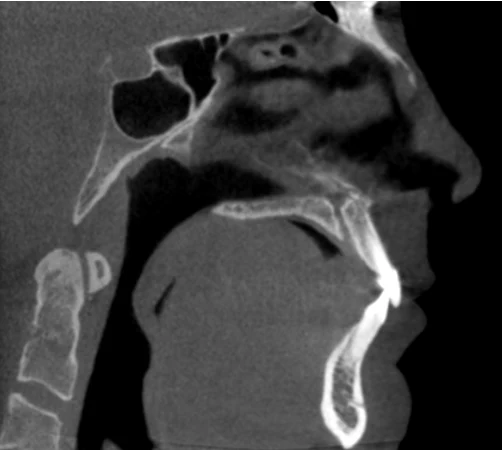
Dr. David Chenin was involved in developing the first airway measurement tool, built with Anatomage's Osteoid in vivo software.
Longest hands-on use
Dr. Chenin and his team have used this tool longer than any other doctor in the world.
Now a worldwide standard
The software has become a standard for evaluating airway constriction and measuring airway volume in orthodontics around the world.
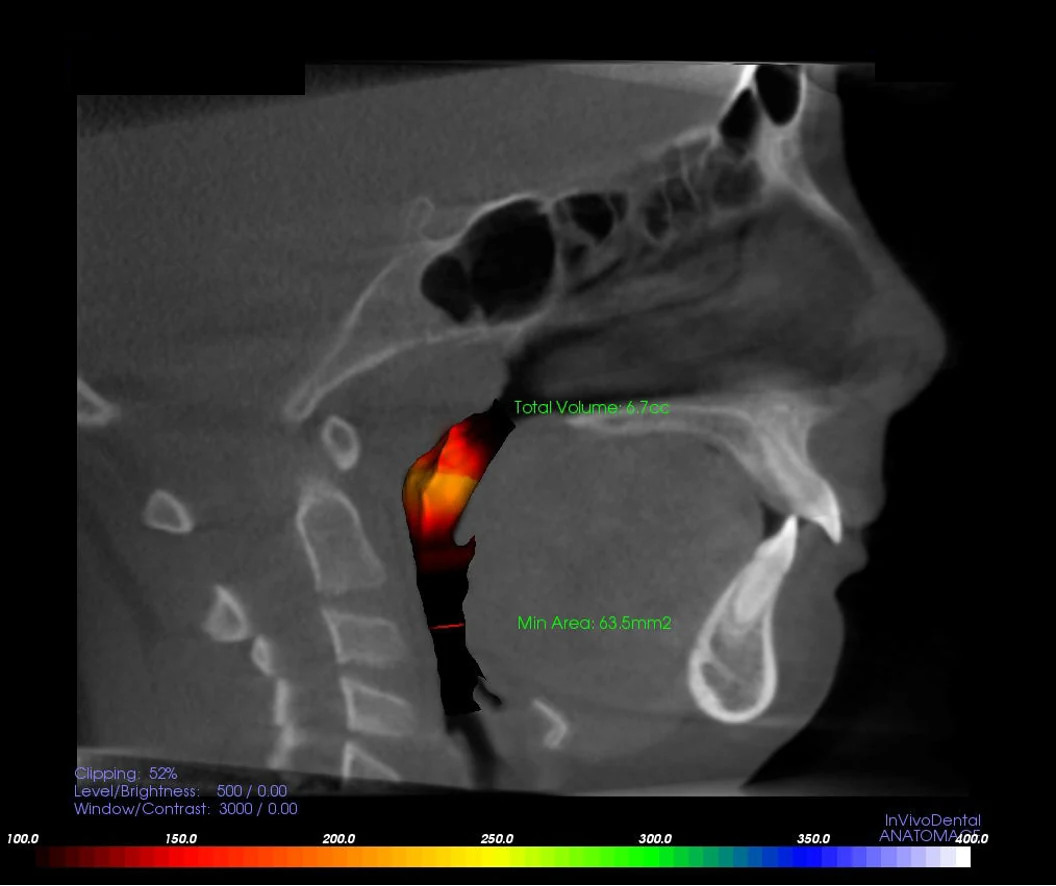
That experience means we look at your child's airway with precision, not guesswork. We take your concerns seriously, and your family will receive the highest level of care, including the thoughtful use of expanders when your child needs them.
How we evaluate your child
-
Listen to your story
We ask about sleep, snoring, tonsils/swallowing, behavior, feeding history and anything that worries you.
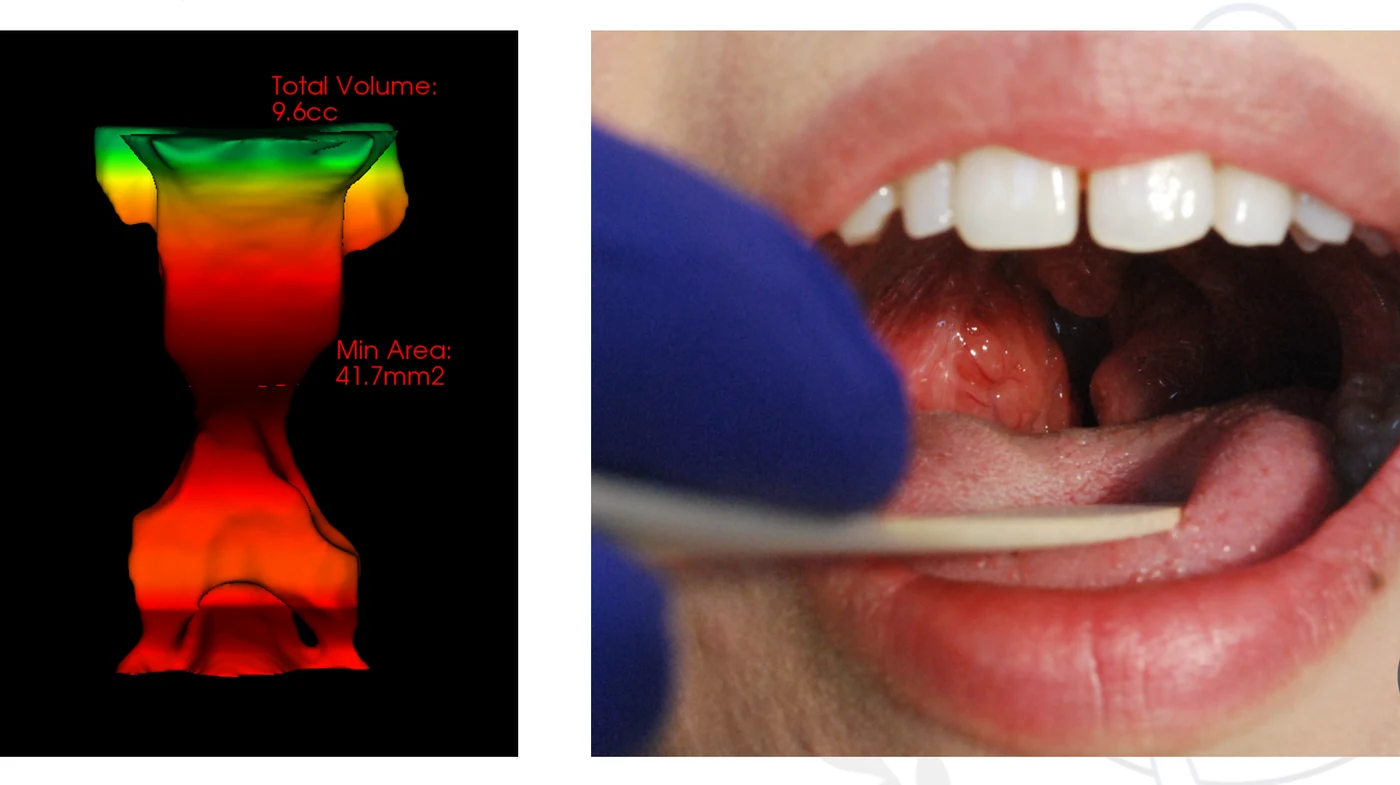
Tonsils and airway volume -
Examine growth and function
We look at jaw development, palate width, tongue posture, and how your child breathes.
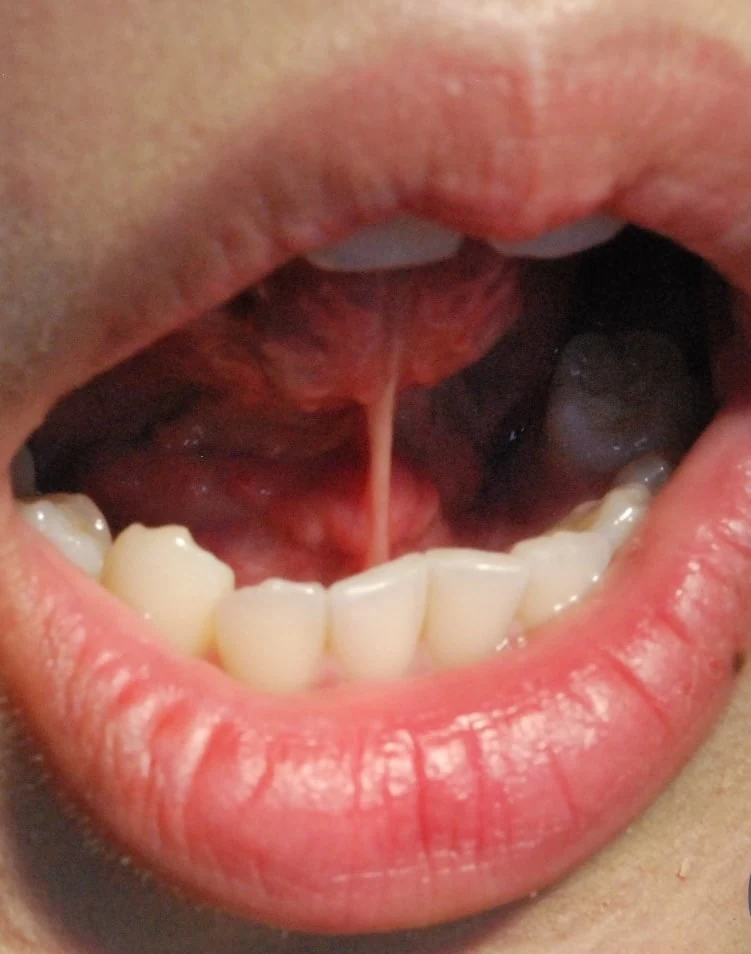
Evaluating tongue function -
Measure the airway
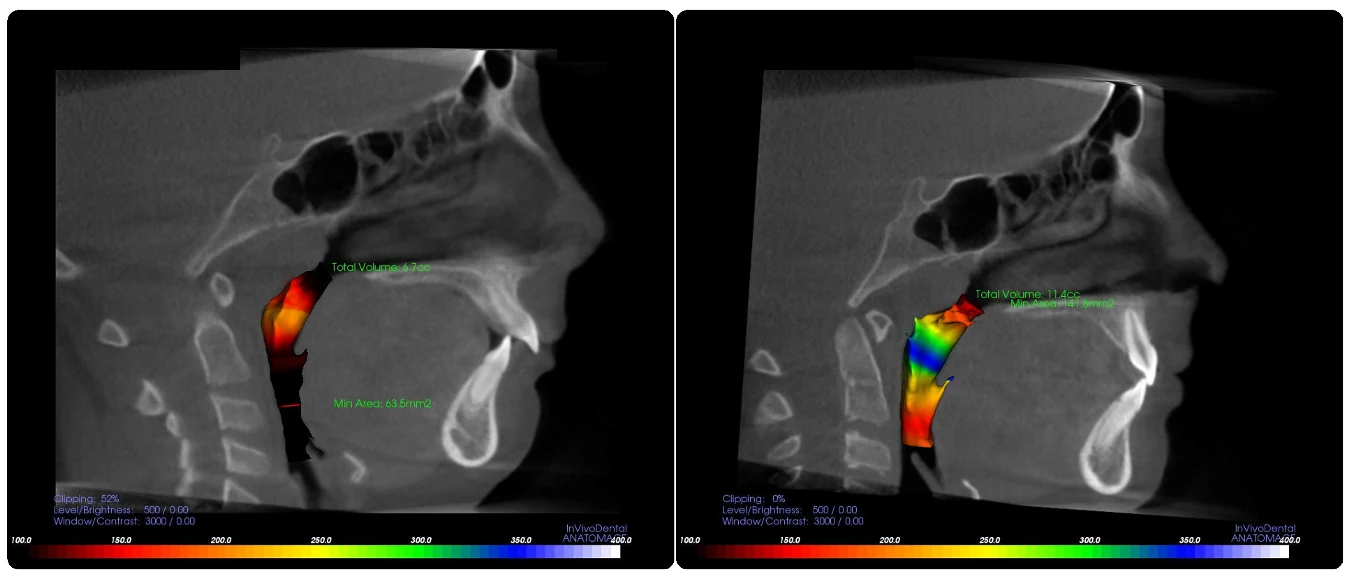
3D imaging and airway analysis let us see the dimensions of your child's airway, not just their teeth.
Measuring the airway in three dimensions -
Build a plan together
When needed, we coordinate with your pediatrician, ENT, sleep physician, or myofunctional therapist.
Treatment options for growing children
Every child is different, so we recommend only what fits your child's measurements and goals.
Questions parents ask
At what age should my child be evaluated?
We recommend an airway-aware evaluation beginning around age 3 at your pediatrician and orthodontic airway evaluation at age 7. Earlier attention to breathing and jaw growth can make treatment simpler.
Is mouth breathing a real problem or just a habit?
It can be either, or both. Habitual mouth breathing is often linked to how the jaws and tongue are positioned, and an evaluation can tell us which it is for your child.
Could my child's attention problems be related to sleep?
Poor sleep can cause fatigue, hyperactivity, and trouble focusing. We can't diagnose attention disorders, but if breathing may be part of the picture, we will work with your child's physician to look into it.
Do you work with my child's doctor?
Yes. We coordinate with pediatricians, ENTs, sleep physicians, and myofunctional therapists whenever it helps your child.
Do adults get airway evaluations too?
Yes. Airway concerns don't disappear with age. Ask us about options for teens and adults.
Let's take a look at your child's breathing
Schedule a visit at our Las Vegas / Henderson office and get clear answers from the team with the most airway experience in Nevada.